 English
 Magyar


Around 30,000 hackers breach websites every day worldwide, and in 2021, 64 per cent of companies experienced at least one type of cyberattack. No wonder you’re asking whether FTP is secure. There are several file-sharing options to choose from – FTP, SFTP, FTPS, HTTPS and SCP, amongst others.
Many companies use FTP (File Transfer Protocol) as standard, but is this decades-old file-sharing method actually secure? We’ll take a look at what FTP is, why it’s used, whether it’s suitable for your business, and how you can protect your business and its data from breaches.
What is FTP?
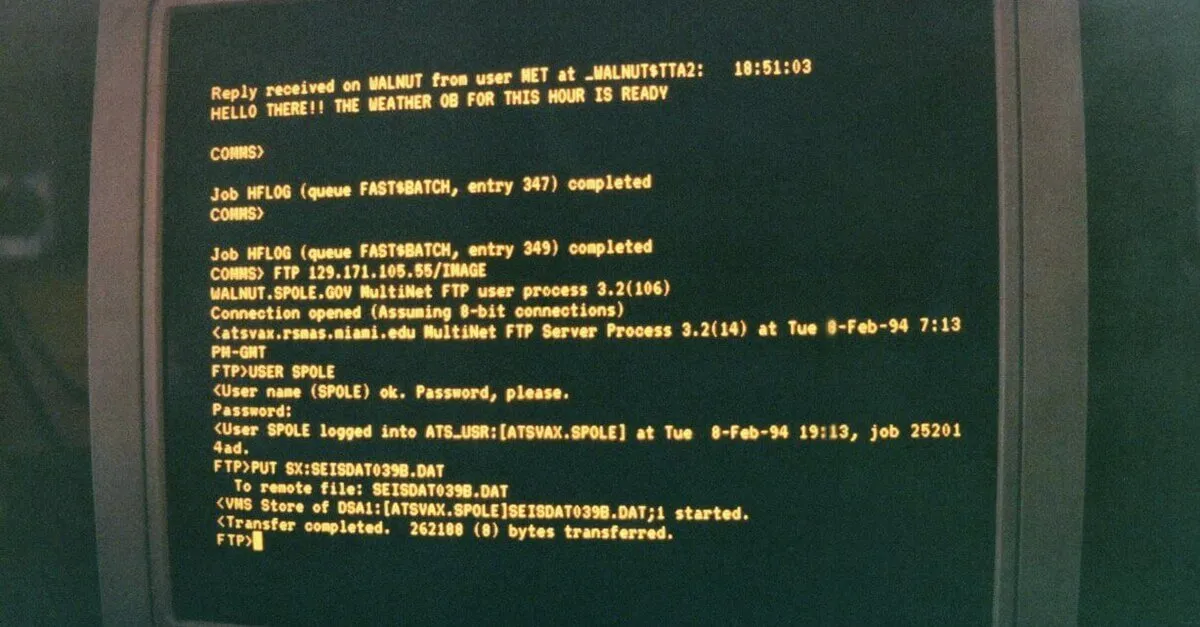
FTP is a network protocol used to transfer files between computers over the Internet or even just on a local network. Users with access can upload and download files to and from FTP servers.
FTP provides a basic, unencrypted file transfer capability for connecting users via the internet. Developed in 1971 and having become popular in the 1990s, this file-sharing method is now a thing of the past, having been superseded by SFTP, FTPS and SSH.
The fact is that FTP was not designed to be secure and has a number of security vulnerabilities, such as:
- Packet Sniffing: The FTP protocol is a simple text-based solution, which means it is not encrypted. All transfers, logins, passwords and data are readable by anyone on the network.
- Brute-force attacks: As FTP is unencrypted, it is highly vulnerable to hackers systematically trying commonly used passwords until they find the correct one.
- Anonymous FTP vulnerabilities: Anyone can access older or anonymous FTP servers without a username or password.
- Port scanning: Hackers can guess the next open port, or use a PORT command to gain access via a proxy.
FTP offers no protection whatsoever that would deter even the most inexperienced hackers. Furthermore, organisations or networks that comply with security regulations cannot use FTP due to its lack of security. As early as 2017, the FBI issued a statement and warning regarding the possibility of data breaches at organisations in the healthcare sector that use FTP.
How can you protect your data?
It’s simple: don’t use FTP. Seriously! There are other protocols available, such as SFTP or FTPS. FTPS (FTP Secure) is an updated, secure version of FTP with SSL/TLS encryption.
There is certainly a place and a time for using FTP. An FTP server allows you to organise your files, grant other users access to download files remotely, and set permissions regarding what users can and cannot do with the files. If you choose FTP, we recommend that you have your own private FTP server with a strong password. This way, you can transfer your files easily and without any security concerns.
Despite security concerns, FTP remains available in most places, but is not recommended for most uses. If you do use FTP, ensure that you follow all possible security protocols and consider using alternatives such as HTTPS or SFTP.