 English
 Magyar


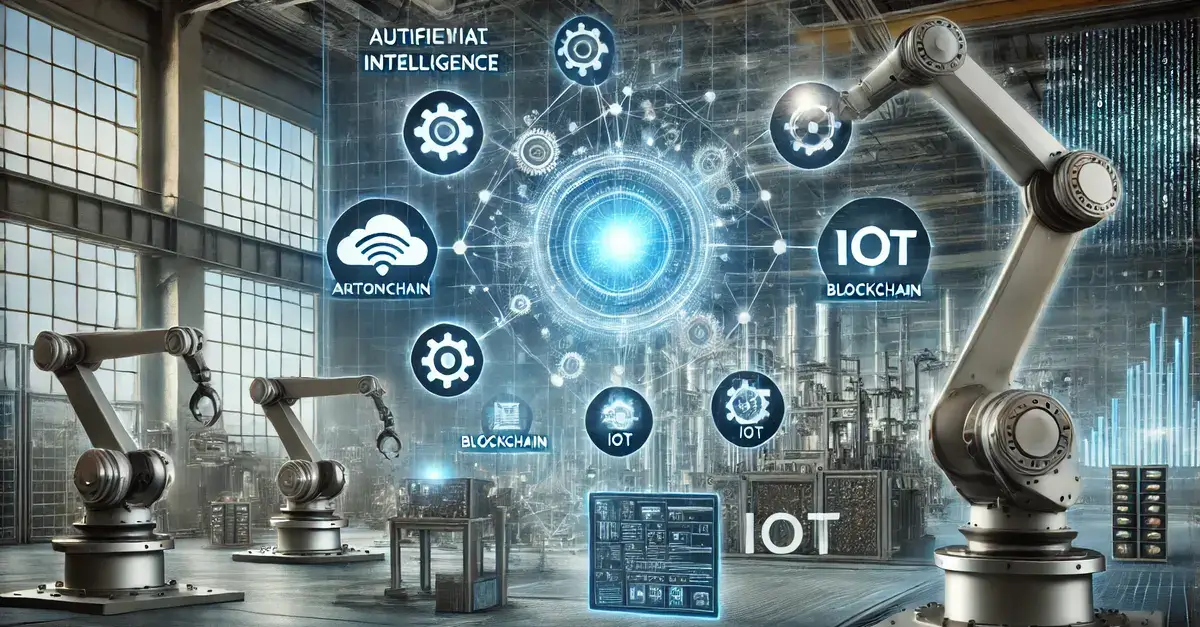
Digital engineering is fundamentally transforming modern industries and creating unprecedented opportunities for innovation and operational excellence. As organisations navigate digital transformation initiatives, the convergence of advanced technologies is reshaping engineering practices, methods and outcomes. This transformation is particularly significant for businesses seeking to maintain a competitive edge in our increasingly digital world.
The field of digital engineering is undergoing rapid development, driven by technological advances and changing market demands. As we approach 2025, several key trends are emerging that will shape the future of engineering practices. These developments are not merely incremental improvements, but represent significant changes in the way engineering solutions are conceived, developed and implemented across various industries.
Generative artificial intelligence Generative artificial intelligence is transforming engineering design processes through the introduction of sophisticated algorithms capable of analysing vast datasets and generating optimal design solutions. The technology’s ability to process complex engineering constraints whilst generating multiple design iterations is particularly valuable in industries such as the aerospace, automotive and architectural design sectors. The global artificial intelligence market is expected to grow at an annual rate of 37.3 per cent by 2030, reflecting the increasingly widespread application of these advanced capabilities across various sectors.
44 per cent of organisations are expected to have introduced generative AI programs by 2025, meaning the technology is moving beyond the experimental stages towards practical applications. Engineering teams are using generative artificial intelligence to reduce design cycles, optimise resource allocation and create more efficient solutions. This adoption is particularly evident in fields such as structural analysis, thermal engineering and mechanical design, where the technology’s ability to process multiple variables simultaneously offers significant advantages.
Augmented and virtual reality Augmented reality (AR) and virtual reality (VR) technologies are transforming engineering workflows by enabling immersive design reviews and collaborative problem-solving sessions. Market growth, forecast to rise from $30 billion in 2022 to over $520 billion by 2031, indicates that these technologies are having a significant impact on engineering practice. These platforms are particularly valuable for complex engineering projects, where spatial awareness and real-time collaboration are crucial.
The introduction of AR and VR into engineering processes is bringing about a new shift in design validation and project implementation. Engineers can now visualise complex systems in three-dimensional space, virtually tour facilities prior to construction, and collaborate in real time with teams operating in different geographical locations. This capability is particularly valuable in industries such as manufacturing, where the early detection of design errors can lead to significant cost savings.
Blockchain technology Blockchain technology is transforming digital engineering by creating immutable records and enhancing data security in engineering processes. The blockchain market is expected to grow from $26.91 billion in 2024 to $1.87 trillion by 2034, demonstrating that blockchain is having a significant impact on innovation within the engineering industry. This technology is particularly valuable in the management of complex engineering projects, where data integrity and traceability are of paramount importance.
The introduction of blockchain into engineering workflows is setting new standards in the protection of intellectual property and supply chain management. With the market value expected to exceed $360 billion by 2025, organisations are integrating blockchain solutions to ensure transparent documentation of engineering processes, secure collaboration between stakeholders and the efficient management of digital assets. This adoption is particularly evident in industries where regulatory compliance and audit trails are essential.
Hyper-personalisation Integrating hyper-personalisation into digital engineering enables organisations to deliver precisely tailored solutions that meet customers’ individual needs. With the hyper-personalised artificial intelligence market forecast to reach $50 billion by 2025, engineering firms are utilising advanced analytics and machine learning to create personalised engineering solutions. This approach is particularly effective in sectors where clients’ specifications and requirements vary significantly.
The impact of hyper-personalisation extends beyond product design to encompass the entire engineering process. Companies employing personalised engineering strategies report a 77 per cent increase in market share, highlighting the significant commercial benefits of this approach. This trend is particularly important in smart engineering practices, where the ability to tailor solutions to specific use cases is a driving force behind innovation and customer satisfaction.
No-Code and Low-Code platforms The emergence of no-code and low-code platforms is transforming the way engineering solutions are developed and deployed. With the global market forecast to reach $64.95 billion by 2032, these platforms enable the rapid development of cloud-based engineering solutions. This democratisation of development capabilities is particularly valuable for organisations seeking to accelerate their digital transformation initiatives.
The introduction of these platforms creates new opportunities for engineering teams to focus on complex problem-solving whilst automating routine development tasks. This trend is in line with the growing demand for agile engineering practices and the need for faster deployment of digital solutions. The market’s projected growth to $86.9 billion by 2027 reflects the fact that these platforms are increasingly recognised as essential tools in modern engineering practices.
Cloud-native technologies Cloud-native technologies are fundamentally transforming the landscape of digital engineering trends for 2025 by providing unprecedented scalability and operational flexibility. The global cloud computing market is expected to grow to $2,974.6 billion by 2033, underlining the crucial role these technologies will play in future engineering practice. These technologies are essential for organisations implementing comprehensive digital transformation strategies.
The adoption of cloud-native approaches enables engineering teams to develop and deploy solutions more efficiently, whilst ensuring robust performance and reliability. This trend is particularly significant in the context of engineering design automation, where the ability to scale resources dynamically and maintain high availability is key to success. The increasingly widespread adoption of hybrid and multi-cloud strategies reflects the maturing of cloud-native engineering practices.
The Internet of Things (IoT) The proliferation of IoT devices, which is expected to exceed 27 billion dollars by 2025, is creating new opportunities for digital engineering. These connected systems generate valuable data, which drives innovation in engineering design and operational efficiency. The potential to generate between 4 and 11 trillion dollars in economic value by 2025 highlights the transformative impact of the Internet of Things on engineering practice.
IoT integration enables real-time monitoring, predictive maintenance and the optimised utilisation of resources in engineering projects. This connectivity is particularly valuable in smart engineering practices, where the ability to collect and analyse data from multiple sources enables more informed decision-making and better operational outcomes.
Neurological development Neuro-developmental technologies are fundamentally transforming engineering capabilities through advanced human-machine interfaces. According to forecasts, by 2030, 30 per cent of knowledge-based workers will be using technologies such as bidirectional brain-machine interfaces (BBMI), representing a significant increase from less than 1 per cent in 2024. These developments are particularly important for complex engineering tasks that require enhanced cognitive performance and precise control.
The integration of neurological development tools into engineering workflows offers unprecedented opportunities to improve design processes and problem-solving capabilities. Companies such as Neuralink are developing sophisticated neural interfaces that enable direct brain-computer communication, which could revolutionise the way engineers interact with design software and control systems. However, organisations must carefully consider the ethical implications and develop comprehensive guidelines for the introduction of these technologies. The focus remains on enhancing human capabilities whilst upholding safety and ethical standards, particularly in high-risk engineering applications where accuracy and reliability are paramount.
Multifunctional robots: Versatile automation solutions Multifunctional robots are transforming industrial engineering practice by introducing unprecedented levels of operational flexibility and efficiency. The prediction that by 2030, 80 per cent of people will interact with intelligent robots on a daily basis – compared with less than 10 per cent today – highlights the transformative impact of these systems. These advanced robots demonstrate remarkable adaptability across a range of engineering tasks, from precision assembly operations to complex logistics management.
The use of multi-functional robots in engineering environments offers significant operational benefits, as they are able to switch seamlessly between different tasks and adapt to changing production requirements. This flexibility is particularly valuable in modern manufacturing plants, where the rapid reconfiguration of production lines is essential. Organisations using multi-functional robots report increased operational efficiency with a faster return on investment compared to traditional automation solutions. The integration of these systems into existing engineering processes creates new paradigms in human-robot collaboration and industrial automation.