 English
 Magyar


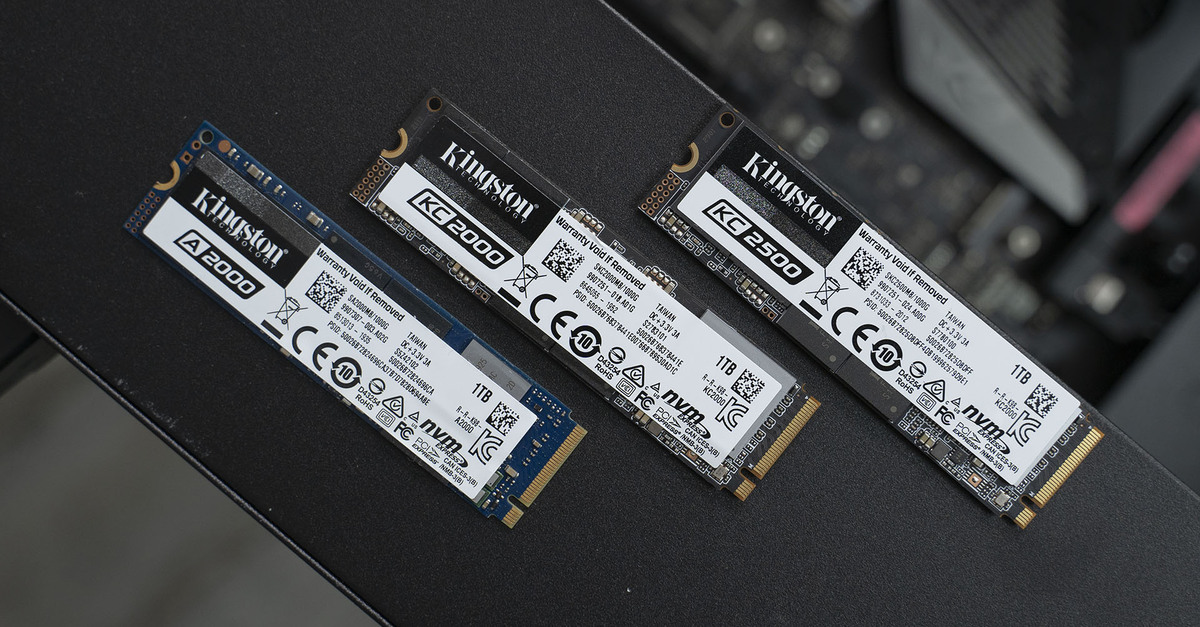
NVMe (Non-Volatile Memory Express) is a modern storage protocol designed specifically for high-speed PCIe-based SSDs. Whilst traditional SSDs often use the SATA interface – which was originally designed for mechanical hard drives – NVMe utilises the benefits of the PCIe connection, enabling much faster data transfer and lower latency.
This technological advance means that NVMe SSDs are capable of handling several million I/O operations per second, compared to the more limited performance of SATA SSDs. As a result, websites load faster and the user experience is significantly improved.
How much faster is NVMe than SATA SSD?
The difference lies in two areas. The first is bandwidth: a SATA SSD reads at a maximum of 500–600 MB/s, whilst an NVMe SSD reads at around 3,000–3,500 MB/s even on the first-generation PCIe interfaces, and several times that on newer ones. The other is parallelism: SATA supports a single queue of 32 commands, whilst NVMe supports up to 64,000 queues, each with 64,000 commands. On a hosting server, where many websites and databases are reading and writing simultaneously, it is this second factor that really matters, as requests do not have to wait for one another.
Faster loading times and lower latency
Website loading time is a critical factor in visitor satisfaction. The low latency and high data transfer speeds of NVMe SSDs ensure that the website responds quickly to user requests. This is particularly important for dynamic content, such as database queries, where fast response times are essential.
In addition, faster loading times also have a positive impact on search engine optimisation (SEO). Search engines such as Google favour websites that load quickly, which can result in higher rankings in search results.
Excellent scalability and reliability
As your website’s traffic grows, it’s important that your hosting can keep pace with your needs. NVMe SSDs are ideal for handling high-load environments, ensuring that your website remains fast and reliable at all times, even during peak periods.
Furthermore, unlike traditional hard drives, NVMe SSDs have no moving parts, which means fewer mechanical failures. This reduces the risk of downtime and enhances data security.
Parallel processing and improved performance
Traditional SSDs often process data requests sequentially, which can cause a bottleneck during periods of high traffic. NVMe SSDs, on the other hand, are capable of handling multiple data requests simultaneously, thanks to their parallel processing capabilities. This ensures that your website’s performance does not suffer, even under heavy usage.
This parallel processing is particularly beneficial for websites that serve a large number of concurrent users, such as e-commerce platforms or popular blogs.
Who should switch to NVMe hosting?
It’s particularly suited to those whose websites perform a lot of database operations: online shops, high-traffic WordPress sites, forums and any application that works with lots of small files. On a small, infrequently updated introductory page, the difference is less noticeable, but when setting up a new hosting plan, it’s still worth choosing an NVMe package from the outset to allow for future growth. aWh’s web hosting plans and KVM VPS servers all run on NVMe SSDs.
A future-proof solution for your website
NVMe technology is not only capable of meeting current demands, but is also prepared for future developments. As web applications become increasingly complex and user expectations rise, it is important that your hosting is able to keep pace with these changes.
NVMe SSD-based VPS hosting ensures that your website always utilises the very latest technology, which means it will remain competitive in the long term.