 English
 Magyar


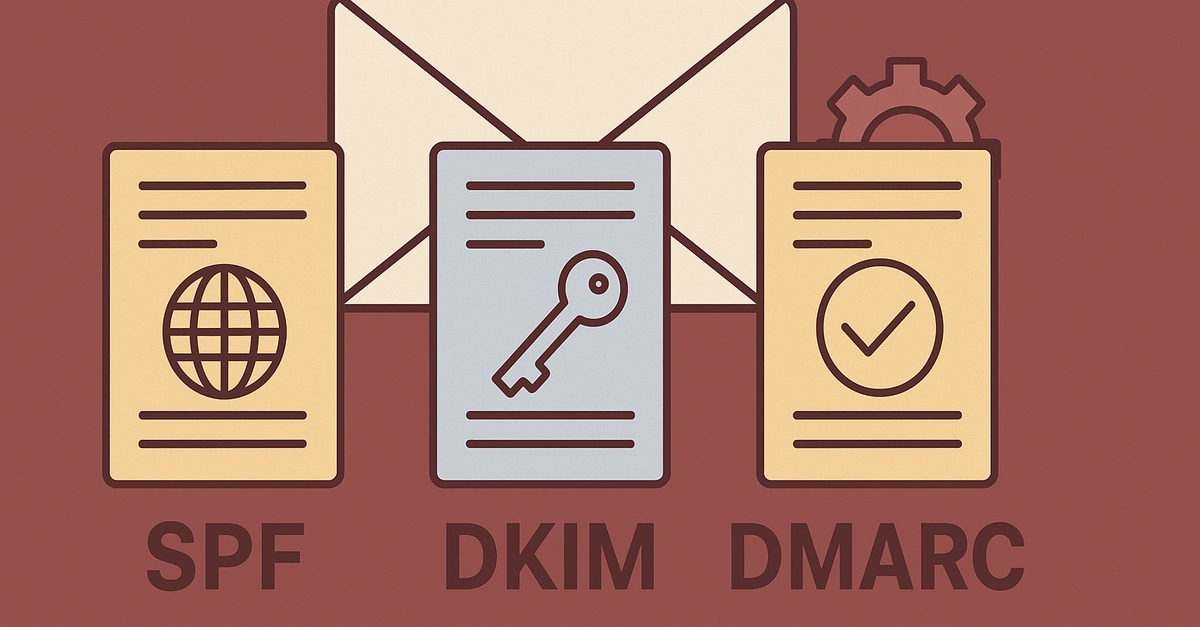
Find out how the trio of SPF, DKIM and DMARC protects your email communications against spoofing and phishing. Discover how these email authentication protocols work, and why it’s worth using all three to ensure maximum security.
What is SPF?
SPF, or the Sender Policy Framework, is a DNS-based authentication protocol that allows domain owners to specify which IP addresses and servers are authorised to send emails on their behalf. This enables receiving servers to verify that an incoming message actually originates from the specified domain.
When SPF is in operation, receiving servers check the SPF record contained in the domain’s DNS entry. If the IP address of the server sending the email appears on the specified list, the message is deemed authentic. Otherwise, the message may be treated as spam or rejected. This mechanism effectively reduces the number of spoofed emails and improves email deliverability.
What is DKIM?
DKIM, or DomainKeys Identified Mail, is a cryptography-based email authentication protocol that ensures the content of a message has not been altered between sending and delivery. A DKIM signature is a digital signature attached to the email header, which the receiving server verifies using the public key found in the sender’s domain’s DNS record.
In the DKIM process, the sending server signs the message with a private key, and the receiving server then uses the public key to verify the validity of the signature. If the signature is valid, the message is considered authentic. This mechanism prevents messages from being tampered with and enhances email security.
What is DMARC?
DMARC, or Domain-based Message Authentication, Reporting and Conformance, is an email authentication protocol which, based on the results of SPF and DKIM, determines how receiving servers should handle messages that fail authentication checks. DMARC enables domain owners to specify what actions should be taken with regard to such messages, such as rejection or placing them in quarantine.
DMARC also offers reporting features that enable domain owners to gain insight into their email traffic and identify authentication issues or potential abuse. This helps them improve their domain’s reputation and increase email deliverability.
Comparison: SPF, DKIM and DMARC
The SPF, DKIM and DMARC protocols each address different aspects of email authentication and, when used together, provide comprehensive protection against spoofing and phishing.
- SPF: Specifies which servers are authorised to send emails on behalf of a particular domain.
- DKIM: Ensures that the content of the message has not been altered during transmission.
- DMARC: Coordinates the results of SPF and DKIM and determines how to handle unauthenticated messages.
When used in combination, these protocols significantly reduce the number of spoofed emails, improve email deliverability and increase users’ confidence in email communication.
When and why is it worth using all three?
The combined use of the SPF, DKIM and DMARC protocols provides comprehensive protection for email communications. Whilst SPF and DKIM each improve the authenticity of emails on their own, DMARC ensures that unauthenticated messages are handled appropriately and that domain owners receive detailed reports on their email traffic.
Using all three protocols is particularly important for those who use email for business purposes, as this can help build customer trust, improve deliverability and reduce the risk of spoofed emails.
Summary
The combined use of the SPF, DKIM and DMARC protocols is essential for modern email security. Working together, these protocols ensure that emails are authentic, reliable and secure, thereby providing protection against forgery and phishing.
If you are not yet using these protocols, it is worth implementing them as soon as possible to protect your domain’s reputation and ensure the integrity of your email communications.