 English
 Magyar


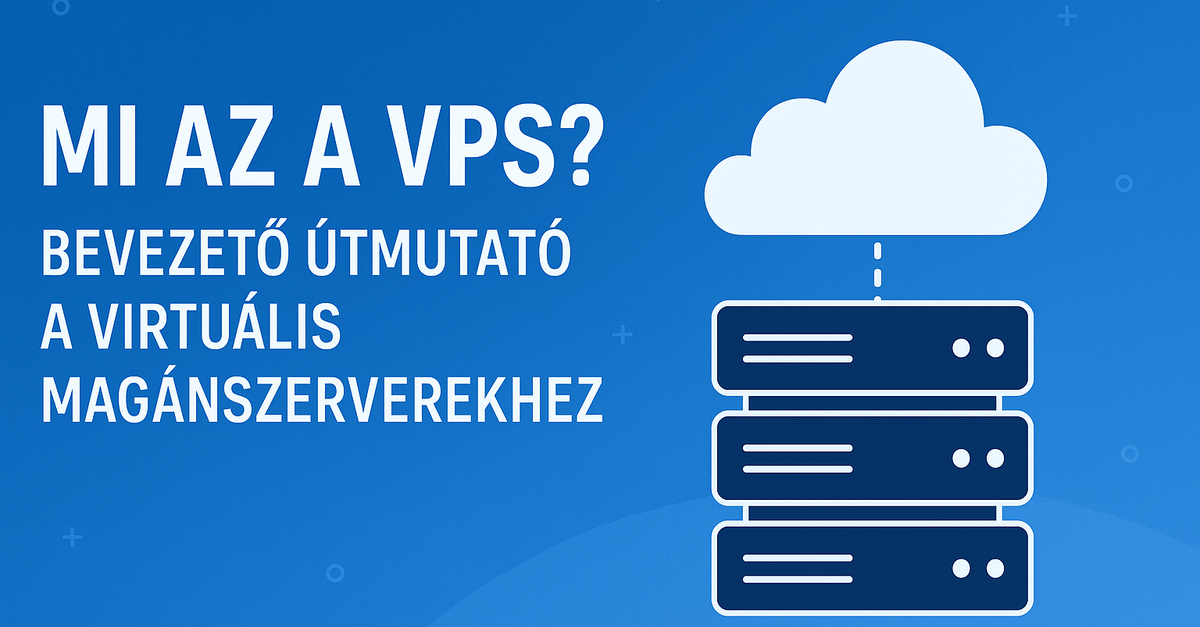
A VPS, or virtual private server, is a hosting solution that divides a physical server into several isolated virtual partitions. Each of these partitions has its own operating system, storage space and resources, allowing users to enjoy greater control and stability than with traditional shared hosting.
A VPS can be the ideal choice for those whose websites have outgrown the limitations of shared hosting but do not yet require a fully dedicated server. This solution offers customisation and scalability whilst remaining cost-effective.
How does a VPS work?
The essence of VPS technology is virtualisation, which divides a physical server into several independent virtual machines. These virtual machines run their own operating systems, and users are granted full access to them, as if they had their own dedicated server.
This approach allows users to install their own software, configure the server to suit their needs, and receive guaranteed resources, regardless of other users’ activities.
The advantages and disadvantages of VPS
Benefits:
- Cost-effectiveness: A VPS is cheaper than a dedicated server, but offers better performance than shared hosting.
- Customisability: Provides full access to the server’s settings and software.
- Scalability: Resources that can be easily scaled to meet growing demands.
- Stability: Other users’ activity does not affect the performance of the VPS.
Disadvantages:
- Technical knowledge required: Managing a VPS requires more technical knowledge than shared hosting.
- Maintenance: The user is responsible for ensuring the server is kept up to date and secure, unless they opt for a managed VPS service.
Shared hosting vs. VPS vs. dedicated server
Shared hosting: Several websites share a single server and its resources. It is cost-effective but offers limited performance and customisation.
VPS: The virtual partition of a physical server that provides dedicated resources and greater control. It offers the ideal middle ground between shared and dedicated hosting.
Dedicated server: An entire physical server dedicated exclusively to a single user. It offers maximum performance and customisability, but comes at a higher cost.
When is it worth switching to a VPS?
- Increasing traffic: If your website’s visitor numbers have risen significantly and your shared hosting can no longer cope with the load.
- Performance issues: If you frequently experience slowdowns or downtime.
- Special software requirements: If you wish to run applications that require specific server configurations.
- Enhanced security: If you handle sensitive data and need greater security.
Summary
A VPS is a flexible and cost-effective solution for those whose websites have outgrown the limitations of shared hosting but do not yet require a dedicated server. It offers greater control, better performance and scalability, whilst remaining affordable. If your website is growing or you have specific requirements, it is worth considering switching to a VPS.