 English
 Magyar


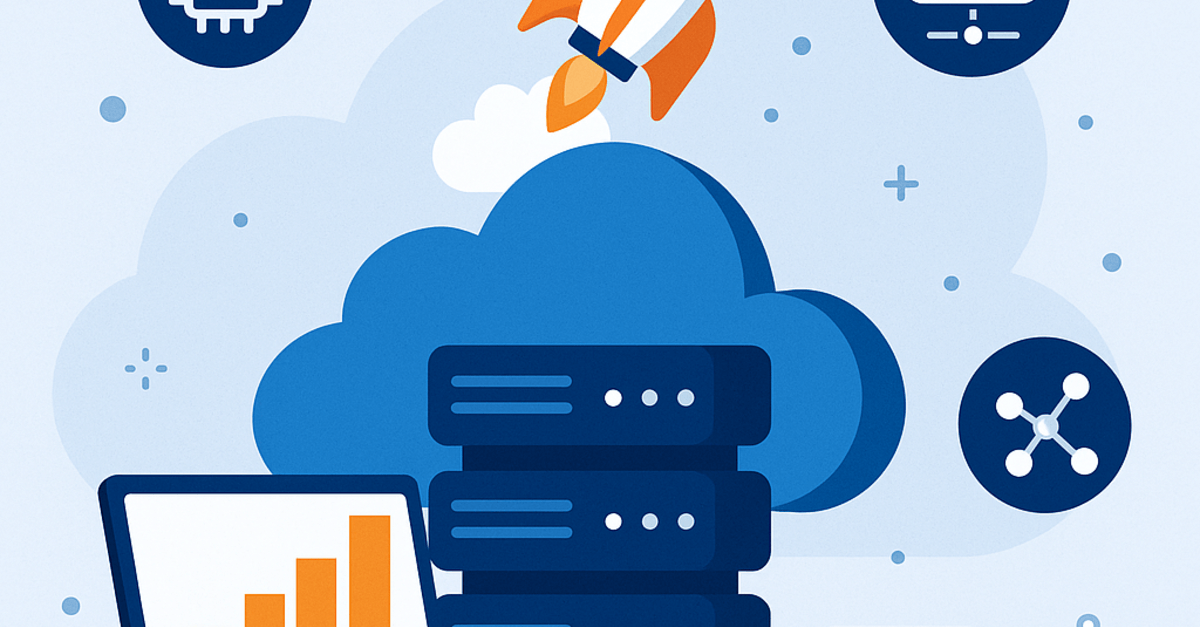
Cloud-based technologies have undergone tremendous development over the past two decades. As early as 2001, VMware introduced the concept of virtual machines, enabling multiple separate systems to run on a single physical server. This laid the foundations for later cloud services, particularly IaaS (Infrastructure as a Service) models, which emerged around 2006. With these services, companies can rent server hardware without having to worry about managing it themselves.
Around 2010, OpenStack and other open-source platforms took virtualisation to a new level, enabling service providers to manage resources even more efficiently. The innovation of recent years has been containerisation, which enables fast and flexible application development in an isolated environment, without unnecessary duplication.
Dedicated servers: Performance and customisability
Dedicated servers provide full access to and exclusive use of the hardware in question, making them an excellent choice for start-ups running applications that require high performance or customised configurations. As there is no need to share resources with other customers, the business gains complete control over the server.
This solution allows you to customise the operating system, software, security settings and hardware configuration to suit your own needs. Whether a start-up is building its own application platform or needs to meet specific requirements, a dedicated server can provide a reliable foundation for growth.
Hosted private cloud: High availability and compliance
A hosted private cloud allows your business to run on dedicated physical hardware, but within a virtualised environment. This means you can enjoy the flexibility of virtualisation whilst having guaranteed access to resources. This can be particularly useful for start-ups that handle sensitive data or need to comply with strict regulatory requirements.
This type of infrastructure can be an ideal choice for e-commerce websites, database applications or other business-critical systems, for example. One of the advantages of a hosted private cloud is that it offers stability, high availability and reliability, whilst ensuring that no compromises need to be made in terms of security.
Public cloud: Flexibility and scalability
The public cloud is a cost-effective and highly flexible solution that can be particularly useful for start-ups. As it is based on shared infrastructure, the provider can optimise resource usage, meaning the customer only pays for the capacity they actually use. This makes the public cloud ideal for development, testing or rapid time-to-market.
Furthermore, public clouds can be easily integrated with modern technologies such as containers, artificial intelligence, machine learning and Big Data solutions. This enables start-ups to gain a competitive edge through innovation without having to make significant investments in infrastructure.
The benefits of the cloud for start-ups
One of the biggest advantages of cloud infrastructure is that it is flexibly scalable – so as your business grows, your IT resources can be easily expanded. This helps you avoid over- or under-provisioning your systems, whilst supporting efficient cost management. What’s more, cloud-based systems allow you to easily recover your data even after unexpected incidents.
The business benefits include global reach, compliance with industry-specific regulations and a reduction in operational burdens. All of this is particularly important for a start-up, where every resource counts and where the ability to adapt quickly can give a competitive edge.