 English
 Magyar


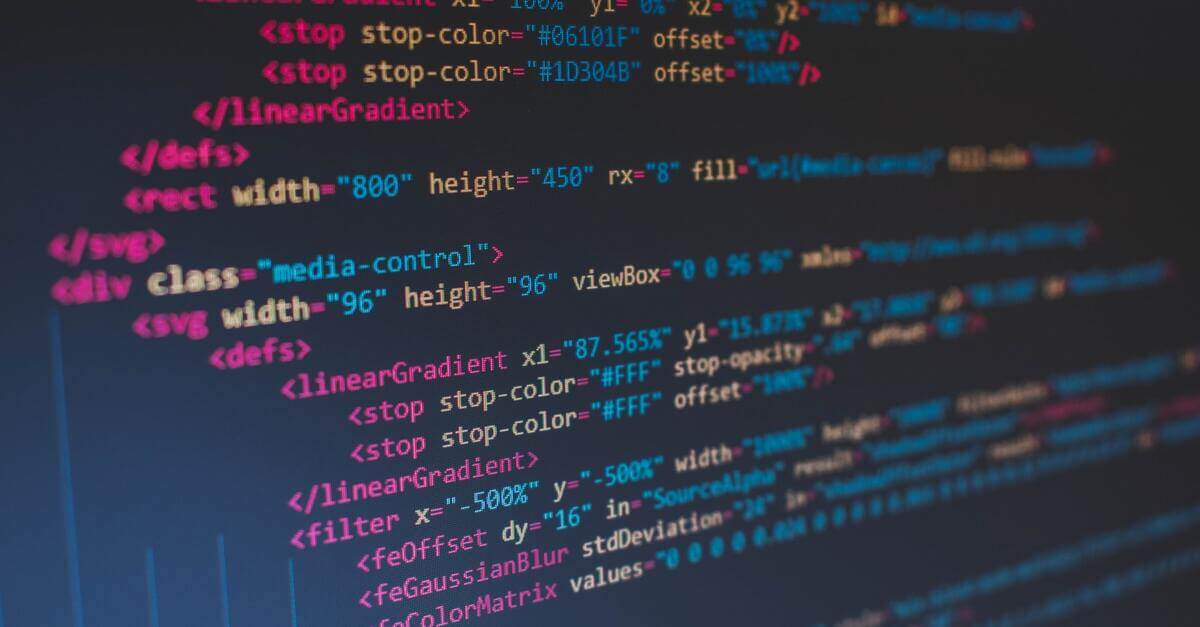
HTML stands for HyperText Markup Language, which is the standard markup language for developing web pages. This is a fundamental and essential step in web development. It explains the structure and organisation of web pages. HyperText refers to the phrase ‘text within text’. The text contains a link. If you click on a link that takes you to a new web page, you have clicked on hypertext. This is a method of linking two or more web pages (HTML documents) together. A markup language is a computer language that defines the layout, effects and formatting conventions of a text document. This language makes the text more dynamic. It can transform the text into tables, images and links.
A web page is a document written in HTML, which is then rendered by a web browser. A web page can be accessed by entering a URL. There are two types: static web design and dynamic web design. Static web pages can be created using web page creation tools.
HTML contains a series of elements, and these communicate with the browser about how the content should be displayed. Its elements attach content elements such as ‘this is a heading’, ‘this is a paragraph’, ‘this is a link’ and others. The accompanying tags can turn a word or image into a hyperlink to another location, highlight words in italics, or adjust the font size accordingly. Omitting the closing tag is one of the most common mistakes made by beginners and can lead to various outcomes.
Two types of HTML elements
Structural elements
These are the HTML elements that organise the content of a web page. Structural elements such as <div> and <span> are treated by the system as block-level content (content that uses the full width of its ‘container’ or the page), as opposed to inline content (content that only uses the space between its tags). , whilst elements such as <header> contain the header content of a page, and <footer> contains the footer content.
Meta elements
These are HTML elements that users do not see when they visit a web page, but which provide the web browser with additional information about the page, such as the author of the document, keywords, the time and date of the last modification, etc. They are primarily used for an official log maintained on the SEO provider’s site, or to optimise the website for search engine results, so that it appears in Google’s search results when someone searches for a keyword related to the website.
Attributes are specified within the opening tag. They consist of the attribute name, an equals sign and a value enclosed in double quotation marks. These are instructions that can be included within HTML tags to provide further details about the elements. For example: <p align="right">This is my paragraph!</p> An HTML element, such as a paragraph, may have an attribute specifying its alignment (left, centre or right).
HTML code can be written as a simple text-based HTML document in any text editor or word processing program, which is essential, and is ultimately saved as an HTML file with the .html extension. Apart from a standard computer, no special hardware is required. These .html files then form the basis of the individual pages of a website and are published digitally as a live website using a process known as web hosting. Web browsers designed to handle HTML pages are able to interpret the tags and text, rendering them as the final product on visitors’ screens.
Many more programming languages and techniques are required to achieve effective results beyond static web pages (such as interactive forms, animated graphics and photo slideshows).