 English
 Magyar
 Deutsch
 Slovenščina


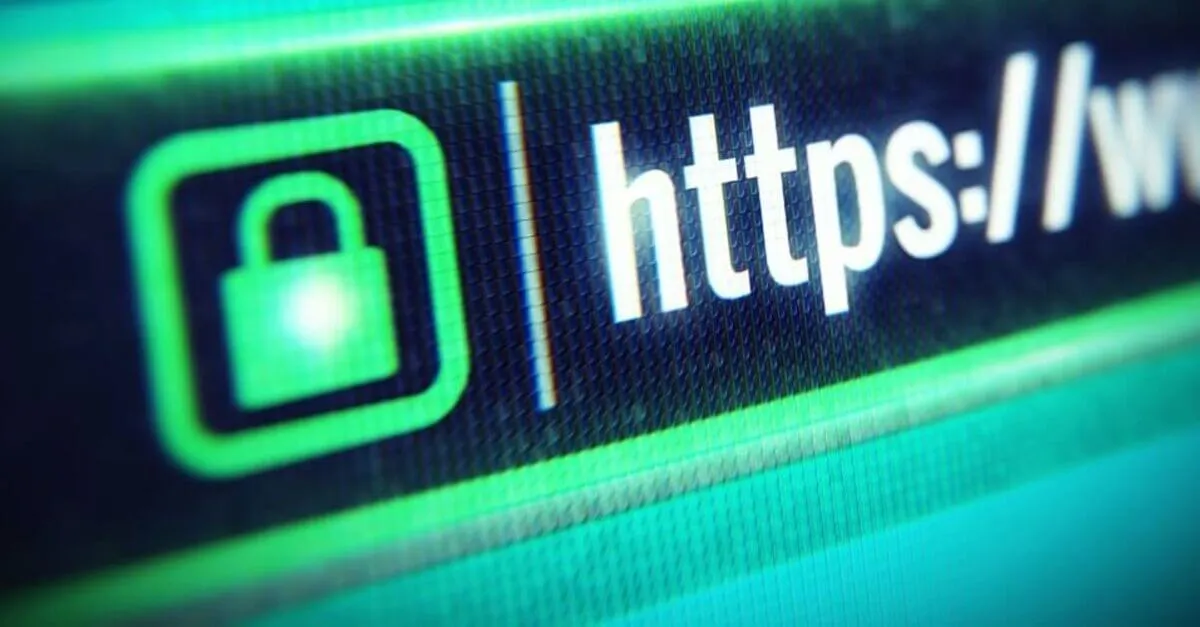
An SSL (Secure Sockets Layer) certificate is a security standard that enables the secure exchange of data over the internet. Websites use SSL certificates to encrypt users’ data when it is sent to the site. With an SSL certificate, users can be sure that their data is secure and that the website they are visiting is genuinely what it appears to be. SSL certificates are issued by accredited organisations, and browsers indicate to users when a website is securely encrypted, usually by displaying a green padlock icon.
AutoSSL behind Cloudflare: if domain validation fails
If AutoSSL can’t issue a certificate for a domain behind Cloudflare, a firewall or bot rule usually blocks the check. Here’s the lasting fix.
Certificate formats: PEM, CRT, PFX – and their conversion
PEM, CRT, CER, DER, P7B and PFX certificate formats: how they differ, which system needs which, and how to convert them with OpenSSL.
Creating a CSR and a private key
What are CSR and private keys, when should they be created, and how can they be generated via the client portal, cPanel or using the OpenSSL command?
Domain-validated SSL certificates
What is a Domain Validated (DV) SSL certificate, who is it recommended for, and how quickly can it be issued?
How can I check when my SSL certificate is due to expire?
How to check the expiry date of an SSL certificate using a web browser, cPanel or an online SSL checker.
How can I manually renew my Let’s Encrypt certificate via the command line?
How to manually renew a Let’s Encrypt SSL certificate using the Certbot command, and how to automate this using a cron job.
How can I redirect my website to HTTPS?
Why is redirecting to HTTPS important for Google’s rankings, and how can you avoid the ‘mixed content’ error?
How can I use my existing SSL certificate?
Moving an SSL certificate bought elsewhere when you change hosts: the files you need, installing it in cPanel, and what to do without the key.
Let’s Encrypt free certificates
How to obtain and renew a free Let’s Encrypt SSL certificate on a web hosting or cPanel hosting plan, what you need to do, and what to do if it...
Let’s Encrypt or paid SSL: which should I choose?
Let’s Encrypt versus paid SSL: validation, validity, renewal and warranty, and which suits which website.
Methods of domain validation: email, HTTP file and DNS record
Proving control of a domain for an SSL certificate: email approval, an HTTP/HTTPS file or a DNS record, and when to choose which.
Requesting a Let’s Encrypt certificate using Certbot (Apache, Nginx)
Requesting free Let’s Encrypt certificates with Certbot and renewing them automatically on AlmaLinux, Rocky Linux, Debian and Ubuntu, with Apache or Nginx.
Setting up and reissuing a paid SSL certificate via the client portal
Configuring a purchased SSL certificate on the aWh client portal via automatic cPanel installation or using your own CSR, and certificate reissue.
SSL behind Cloudflare: Flexible, Full or Full (strict) mode?
Which Cloudflare SSL/TLS mode should you choose for a website hosted on aWh, and how can you fix the ERR_TOO_MANY_REDIRECTS error and errors 525 and 526?
Step-by-step guide to setting up SSL on an Apache server
Installing an SSL certificate on Apache in Debian, Ubuntu, AlmaLinux and Rocky Linux: mod_ssl, virtual hosts, HTTPS redirection and verification.
What are the steps involved in creating an SSL certificate?
The SSL certificate process, from selecting the type through the CSR, domain validation and installation, to verification and regular renewal.
What is a CAA record, and how do I set it up?
What a CAA DNS record is, how it limits which authorities may issue SSL for your domain, and how to set it for Let’s Encrypt and paid certificates.
What is a multi-domain or SAN certificate?
What a multi-domain (SAN) SSL certificate is, when it beats separate certificates or a wildcard, and what to watch when setting it up.
What is a Wildcard SSL certificate?
What a wildcard SSL certificate covers, why not second-level subdomains, how it is validated, and when it is a better choice than a SAN certificate.
What is an Extended Validation (EV) certificate?
What the issuer checks for an EV certificate, why the green address bar is gone, how it differs from OV, and who should still choose EV today.
What is an intermediate certificate (CA bundle), and why is the certificate chain invalid without it?
What intermediate certificates and the chain are, why a site works only in some browsers, and how to install the CA bundle in cPanel, Apache or Nginx.
What is an Organisation-Validated (OV) certificate?
What the issuer checks for an OV SSL certificate, where the company name shows, how long issuance takes, and who should pick OV over DV.
What is an SSL certificate and why do I need one?
What is an SSL certificate, how does it encrypt traffic between the server and the visitor, and why is it necessary?
What is HSTS, and how can I enable it on my website?
What is the HSTS security header, how does it enforce an HTTPS connection, and how can it be configured on an Apache server?
What is Let’s Encrypt SSL?
What is Let’s Encrypt, who runs it, how does it automatically issue free SSL certificates using the ACME protocol, and how long are its certificates valid?
What is mixed content, and how can I fix it?
What is a ‘mixed content’ error, how can it be identified, and what steps can be taken to rectify it?
What is the difference between TLS and SSL?
What is the difference between the SSL and TLS protocols, why do we still refer to them as SSL certificates, and which version of TLS should be enabled today?
What is TLS (Transport Layer Security)?
What is TLS (Transport Layer Security), and how does it encrypt traffic between servers and browsers?
What should you do if your private key has been compromised?
What to do if an SSL private key has leaked: a new key, reissuing the certificate, revoking the old one, and how to prevent it.
Why are my subdomains visible to the public? (Certificate Transparency)
What Certificate Transparency is, why every SSL certificate goes into a public log, what it reveals about your subdomains, and how it protects you.
Why are SSL certificates no longer valid for one year?
Why SSL validity drops from 398 days to 200, then 100, and 47 days from 2029, what it means for Let’s Encrypt, and what it means for you.
Why hasn’t my domain received an SSL certificate? (AutoSSL errors)
Common cPanel AutoSSL errors: wrong DNS, Cloudflare, a CAA record, a blocked .well-known folder, a missing www record. Find and fix the cause.
Why is my email program showing a certificate error?
Why do Outlook, Thunderbird or your phone’s email app show an invalid certificate, and what server name should you enter to make the warning disappear?
Wildcard Let’s Encrypt certificate with DNS validation
How to apply for a free Let’s Encrypt wildcard (*.example.hu) certificate with DNS validation, using acme.sh or Certbot, with automatic renewal.
“Connection is not private” error: what does it mean and how can it be fixed?
Why does the ‘Your connection is not private’ browser error appear, what are the most common causes, and how can it be fixed step by step?
No results were found for this topic. Search the entire knowledge base